
Most motorhome trips in Canada are shaped by three fixed points: when you can travel, where the vehicle is picked up and returned, and how many people need a bed. Settle those first and the route, campgrounds and add-ons follow. This page sets out the order we work in, what to have ready when you get in touch, and what happens after you send an enquiry.
1. Fix your travel window
Season shapes everything else. July and August bring the warmest weather and the busiest campgrounds; May, early June and September are usually quieter, with cooler nights and some campgrounds running reduced services. Mountain and northern routes have a shorter season than southern ones. If your dates are flexible, say so, because a week either side can change both availability and price.
Read more: when to plan a motorhome trip, what changes month to month and why shoulder season often works better.
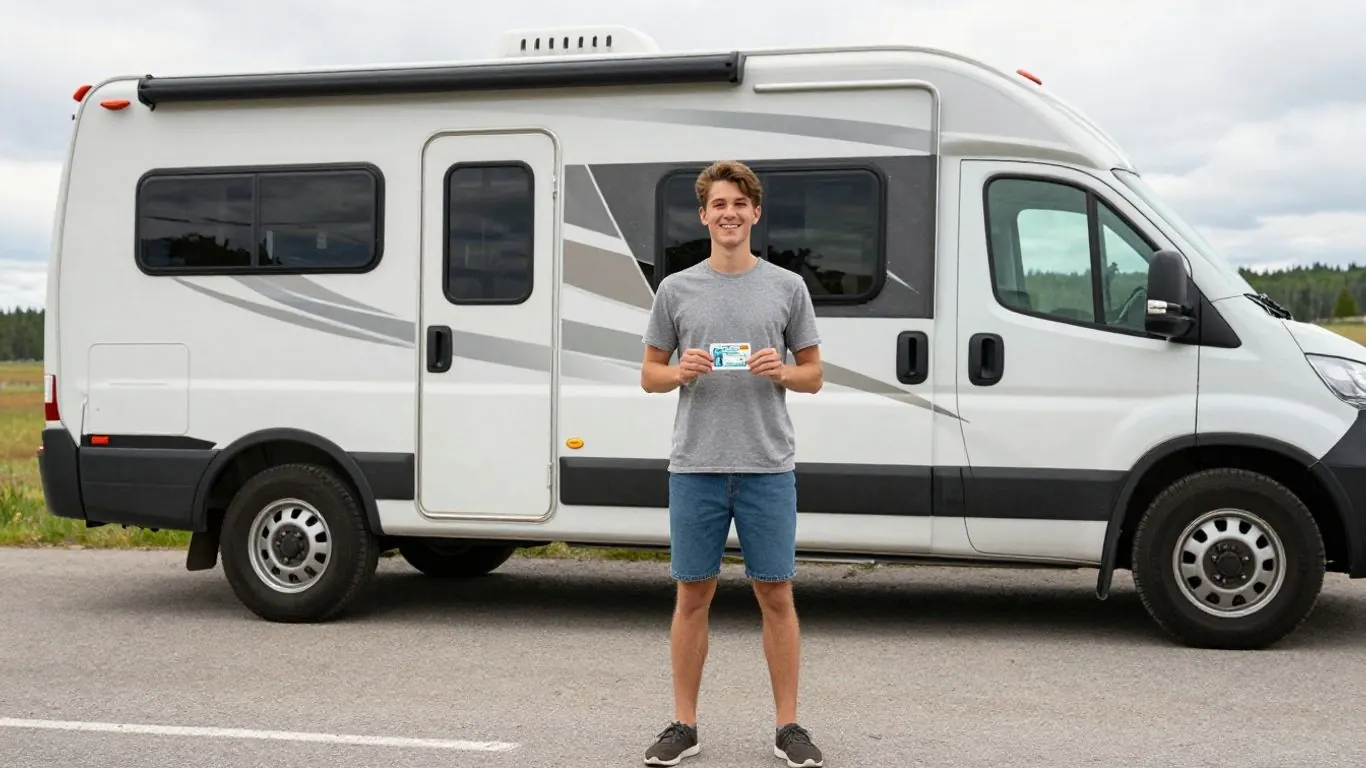
2. Choose one region and an honest number of days
Canada is large, and most travellers enjoy two to four hours of driving a day with an occasional longer transfer day. That usually means one region per trip unless you have two weeks or more. As a rough guide from our itinerary hub:
- 5 to 7 days: a short getaway close to the pick-up city.
- 7 to 14 days: Western Canada and the Rockies, Ontario and Québec or Atlantic Canada.
- 14 to 21 days or more: the Yukon, or two regions combined with careful pacing.
- 30 to 45 days: a full cross-Canada journey.
3. Decide on pick-up, drop-off and flights together
A return trip from the same depot is simpler and avoids one-way charges. A one-way route, such as Vancouver to Calgary through the Rockies, can save a long backtrack but usually carries a fee and depends on the company allowing it for your dates. Check this before buying flights. Also allow for the fact that pick-up orientation takes time, so the first day should be a short drive.
Read more: pick-up planning, when one-way rentals are worth it, and city notes for Vancouver, Calgary, Toronto and Halifax.
4. Count beds, drivers and luggage
Choose the vehicle around how the group sleeps and who will drive, not around the cheapest daily rate. A campervan suits two people travelling light; families often need separate sleeping areas; larger motorhomes are more comfortable but harder to park and limited at some campgrounds. Driver age and licence rules vary by company, and visitors should check whether their home licence is accepted.
Read more: choosing an RV type, driver requirements and international licences.
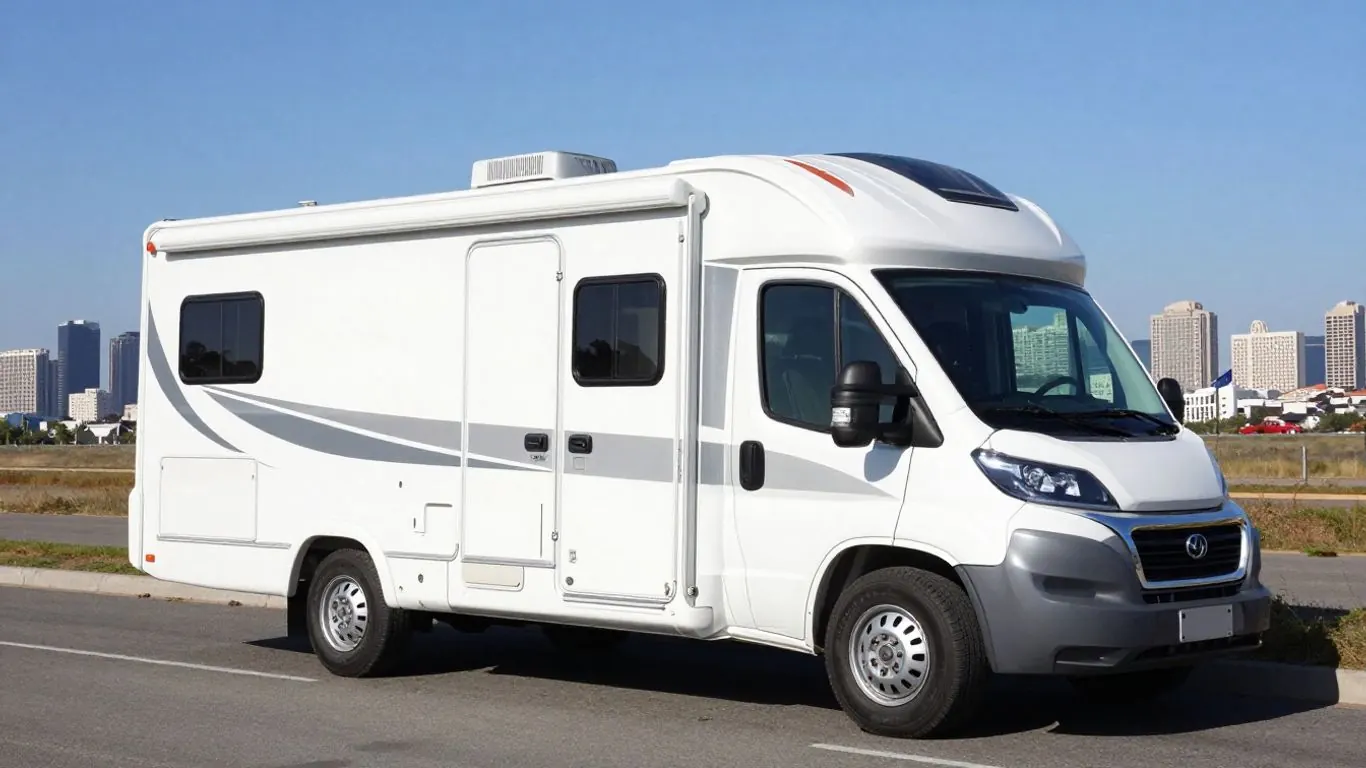
5. What to have ready when you enquire
- Travel dates, and how flexible they are.
- Preferred pick-up and drop-off city, or the airports you can fly into.
- Number of adults and children, with children's ages.
- Who will drive, their ages and the country that issued their licence.
- Pets, mobility needs or medical equipment that affects the vehicle choice.
- The places you most want to see, and anything you have already booked.
- Whether you prefer park campgrounds or private RV parks with full hook-ups.
None of this needs to be final. A rough version is enough to start.
6. Look at the full cost, not the daily rate
The rental is usually the largest cost, but mileage, insurance options, prep fees, kitchen and bedding kits, fuel and campground fees all add up. Comparing two rentals only works when the same items are included in both. The budgeting guide breaks down the categories, and unlimited vs limited mileage explains one of the biggest variables.
7. What happens after you send an enquiry
- We reply with any questions needed to narrow the options.
- Suitable vehicles and rental terms for your dates are set out side by side.
- When you choose, the booking is made and the rental company's deposit and payment schedule applies. See typical payment timelines.
- Reserve the hardest campground nights first, such as national park sites in peak season, then fill in the flexible nights.
- For rentals of 7 days or longer booked through the site, you receive a complimentary custom itinerary suggestion with stops and campground areas.
8. In the last few weeks before travel
Check road reports, wildfire notices and park advisories for the whole route, confirm campground arrival times, and download offline maps for areas with weak mobile coverage. The official maps and road reports page, the motorhome readiness checklist and the safety advice page cover this stage.
Frequently asked questions
What do I need to decide before contacting you?
Only a travel window, a rough region and the number of travellers. Vehicle type, route detail and campgrounds can be worked out together from there.
How early should I start planning?
For peak summer in the Rockies and popular Atlantic areas, earlier is better because vehicles and campgrounds both fill. Shoulder-season and short-notice trips are possible with fewer choices; see last-minute RV rentals.
Can I change the route after booking?
Within your rental dates the route is yours to adjust, but changes to dates, pick-up city or vehicle depend on the rental company's terms, and campground reservations have their own cancellation rules. See how flexible a booking is.